
The True Cost of Appliance Downtime for Restaurants: Why Fast, Reliable Repairs Matter More Than Ever
Dec 5, 2025
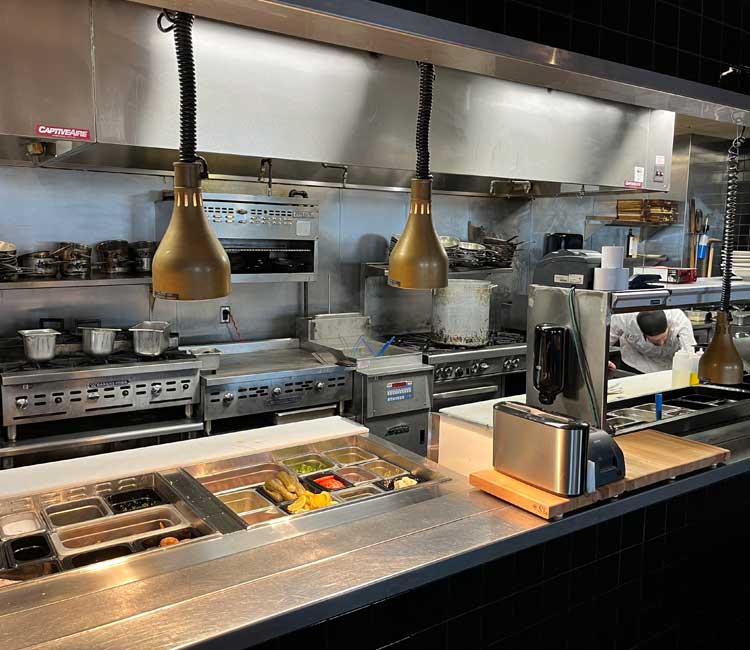
In the restaurant industry, timing is everything. When a critical piece of kitchen equipment stops working, the impact can be immediate, far-reaching, and more expensive than most owners realize. Commercial kitchens operate at high volume and depend on reliable equipment every hour of the day, which is why appliance downtime quickly becomes more than just an inconvenience.
Recently, we assisted a busy Mexican restaurant dealing with two failing appliances, including a warming cabinet that had been partially malfunctioning for weeks. Once it finally failed, the kitchen had to modify operations, limit capacity, and work around the issue for several days until repairs could be completed. The diagnostic process, sourcing the correct part, and performing the installation required scheduling around their business hours, extending the total timeline. During that period, the restaurant operated below full efficiency, and the loss in potential revenue was clear.
This situation is common in commercial kitchens, and it reveals just how disruptive appliance downtime can be.
How Appliance Failures Create a Domino Effect in Restaurant Operations
Slower Service and Extended Ticket Times
When a key appliance fails, kitchen staff must immediately adjust workflows, redistribute tasks, or use secondary equipment that is slower or less efficient. This compounds delays across the entire line and reduces the number of orders a restaurant can fulfill during peak periods.
Increased Food Waste and Storage Issues
Holding and refrigeration equipment failures compromise food safety and storage conditions. Perishable items may need to be discarded sooner, and batch-prepped foods may no longer be usable. This results in both wasted product and additional labor spent re-preparing items that would not have needed replacement under normal conditions.
Compromised Food Safety and Compliance Risks
Health codes require strict temperature control for stored and prepared foods. When warming cabinets, coolers, or ovens fail, restaurants face a heightened risk of serving improperly held dishes or failing to maintain safe storage temperatures. This can lead to failed inspections, liability exposure, and immediate operational setbacks until compliance is restored.
Operational Stress and Inefficiency Among Staff
Kitchens are designed with precise workflows. When equipment breaks, staff must improvise, which can cause miscommunication, increased physical demands, and higher stress levels. Over time, this environment reduces productivity and increases the likelihood of further errors or accidents.
Direct Loss of Revenue
Reduced service speed, limited menu availability, and decreased capacity translate directly into fewer orders processed and fewer customers served. Even slight menu changes during busy shifts can lead to cancellations, lowered customer satisfaction, and missed opportunities for repeat business.
Why These Failures Happen in the First Place
Commercial appliances operate under demanding conditions: extreme temperatures, continuous cycles, grease exposure, humidity, and heavy-duty usage. Several common issues contribute to failures:
Continuous high-volume operation gradually wears down motors, heating coils, compressors, and internal wiring beyond what residential-grade appliances ever experience.
Poor ventilation and airflow restrictions cause overheating, reduce efficiency, and accelerate the deterioration of internal components, especially in high-temperature equipment.
Delayed or inconsistent preventive maintenance allows minor performance issues to develop into more complex failures that require extensive repairs and cause long downtime.
Aging parts and natural wear accumulate over years of service, making breakdowns unavoidable without timely replacements.
Improvised fixes or temporary workarounds often mask underlying issues and increase the difficulty and cost of repairs once proper service is eventually called.
Restaurants with older or heavily used appliances frequently see a pattern of small problems that escalate into full system failures.
The Business Impact: Understanding the Real Cost of Downtime
Industry studies show that downtime can cost restaurants hundreds or even thousands of dollars per day depending on customer volume, operating hours, and the type of equipment affected. When a warming cabinet, walk-in cooler, fryer, or primary cooking appliance goes offline, the financial impact extends beyond the repair bill.
Restaurants experience losses through:
spoiled or unusable food
delayed service and fewer total orders processed
partial menu shutdowns that reduce sales potential
increased labor costs from additional prep and workarounds
diminished customer satisfaction and long-term loyalty
A multi-day outage, such as the warming cabinet failure described earlier, can have a cumulative effect that far exceeds the cost of the replacement part or the repair labor itself.
Why Preventive Maintenance Is Essential for Commercial Kitchens
Preventive maintenance is one of the most underrated tools available to restaurant owners. It identifies problems early, extends the lifespan of equipment, and significantly reduces emergency disruptions.
Effective maintenance programs:
detect component fatigue and performance decline before it results in operational failure
maintain optimal airflow, temperature stability, and energy efficiency to extend appliance longevity
reduce the risk of food-safety violations by ensuring consistent holding and storage temperatures
allow restaurant owners to plan repairs during off-hours instead of experiencing crisis downtime
improve staff workflow by keeping equipment dependable and predictable during service
Restaurants that invest in routine maintenance often avoid the extended outages that cause major losses.
The Role of a Skilled Commercial Appliance Repair Team
When commercial appliances fail, restaurants need more than a quick fix. They need accurate diagnostics, reliable parts sourcing, and professional coordination that minimizes operational impact.
Experienced technicians support restaurants by providing:
Thorough diagnostic assessments that identify the root cause rather than treating surface symptoms
Fast parts procurement and installation, reducing overall downtime
Repairs aligned with commercial safety and compliance standards
Long-term reliability, reducing the likelihood of repeat failures or additional disruptions
Professionals also understand the importance of working around a restaurant’s schedule, ensuring the repair process supports, rather than interrupts, daily operations.
Commercial Appliances Are an Investment Worth Protecting
Restaurant equipment rarely fails without warning. When early signs are overlooked, the result is often several days of reduced capacity, lost sales, and operational stress that could have been prevented with the right maintenance and timely repairs.
Your recent warming cabinet repair case demonstrates this clearly: what began as a partially functioning appliance ultimately became a multi-day outage with measurable financial impact. When restaurants take proactive steps to maintain and repair their equipment, they reduce future downtime, support consistent service quality, and protect their bottom line.